We’re Trying Junga With Our Preteen — Here’s Our First Look at the App Every Family Needs!
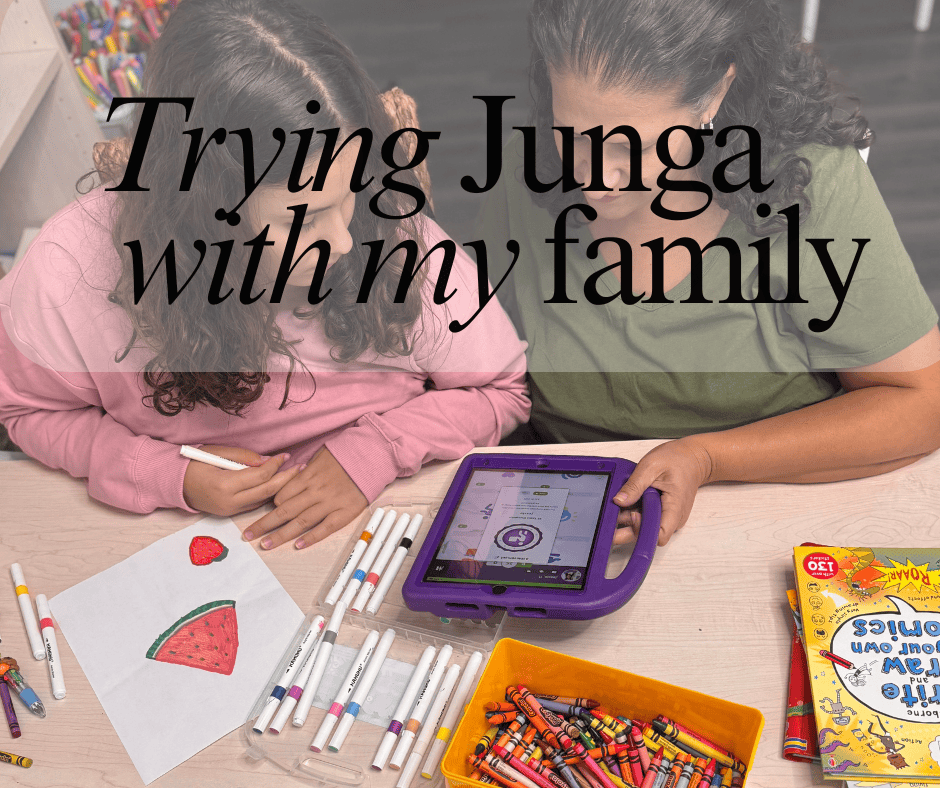
We’re trying Junga with our preteen and I can’t wait to tell you all about it. I’m partnering with Junga to try the app and share my honest experience.
If you’ve been here for a while, you know I’ve shared the early years, everything from baby proofing to practical parenting tips, safety tips, and sensory bin ideas. But my kids aren’t little anymore. My youngest is in preteen territory now, and if I’m honest, I assumed the “keeping everyone organized and on the same page” challenge would ease up once we got past those early years.
It hasn’t. It’s just changed shape.
These days, it’s less about potty-training charts and more about: Did she actually finish her schoolwork, or say she did? Is everyone, mom, dad, her grandparents, and coaches, actually working from the same expectations? How do I encourage her without turning every conversation into a nag session?
So when I came across Junga, an app built to help parents and caregivers support kids through positive reinforcement, consistent routines, and better communication between the adults in a child’s life, I was curious, not because I needed help with a toddler, but because I needed help with a preteen.
What is Junga?
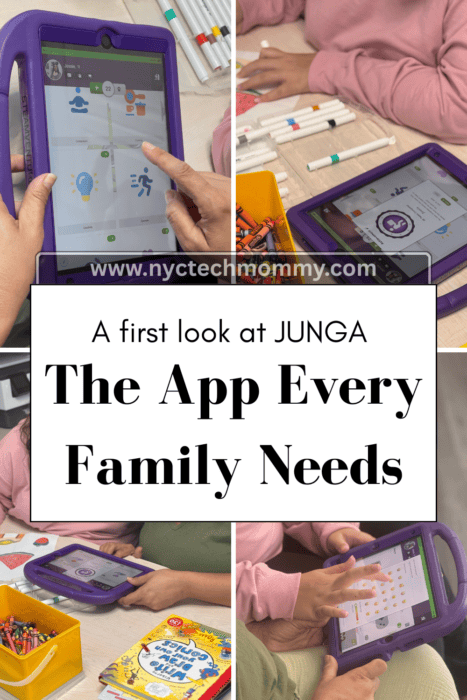
At its core, Junga is a family app that helps parents and caregivers keep kids’ routines, tasks, and expectations consistent and helps the adults (“Keepers,” in Junga’s language) stay aligned with each other in real time. Tasks earn points, points unlock rewards, and everyone connected to a child’s account sees the same information, whether that’s a parent, a co-parent, a grandparent, or another trusted adult.
Not Just for Little Kids
Here’s what surprised me most: I went into this assuming Junga was built for the toddler-and-early-elementary crowd. It’s not. Junga is actually recommended for kids roughly ages 2 to 15, with pre-configured activity catalogs for different age ranges, including one built specifically for ages 8–12 and another for ages 12 and up, which meant I wasn’t trying to force a toddler tool onto an eleven-year-old. This made sense for a preteen!

I really love that Junga didn’t stop designing for kids once they hit double digits. It’s easy to assume the older kids have it figured out and don’t need much guidance anymore, but that hasn’t been our experience at all. Sometimes a preteen needs just as much structure and gentle reinforcement as a five-year-old, it just looks different. The tasks, language, and expectations in those older-kid catalogs actually feel appropriate for a kid who’s old enough to roll her eyes at anything too babyish.
That flexibility is really the whole pitch for our family: we’re out of the daily toddler trenches, but keeping up with daily tasks, routines, and follow-through is still very much a thing, it just looks like remembering to pack her own bag, staying on top of schoolwork without being reminded five times, and communicating clearly instead of assuming everyone already knows the plan.
Getting Started with Junga
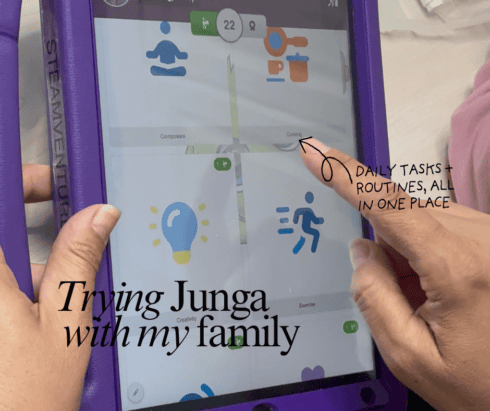
Getting started with Junga was simple, and the app setup was straightforward. First, I created her Junga profile, picked the 8–12 catalog to start with (we’ll likely shift to the 12+ catalog before long), and invited my husband as a “Keeper” so we’re both seeing the same tasks and progress in real time. That “everyone’s on the same page” piece is honestly the part I was most drawn to, no more “did you know she had X due today?” texts going back and forth.
What’s Felt Most Useful So Far
We’ve been using Junga for a couple of weeks now, and I want to be upfront: this is not a full review of everything the app offers, and there’s a lot in there. So instead of trying to cover it all, I want to highlight the handful of features that have actually made a difference for our family so far.
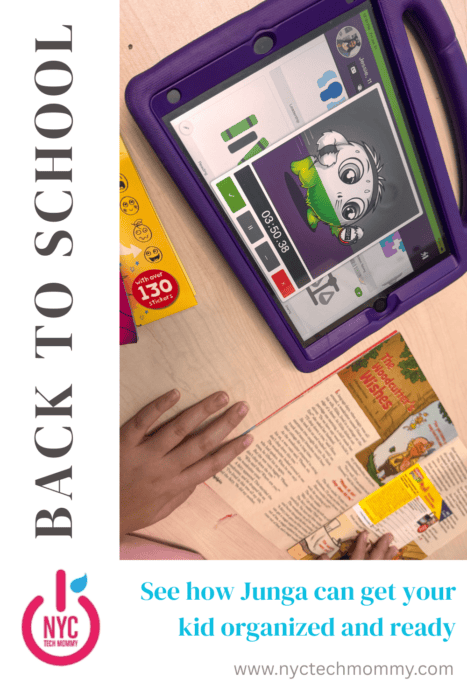
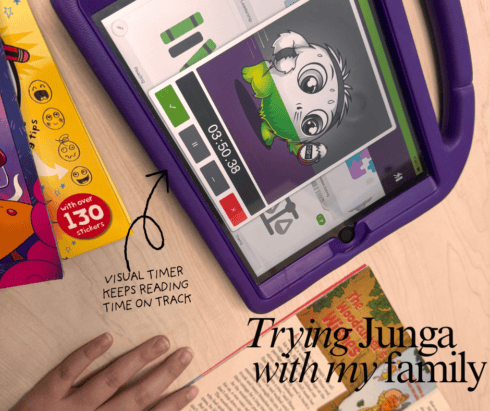
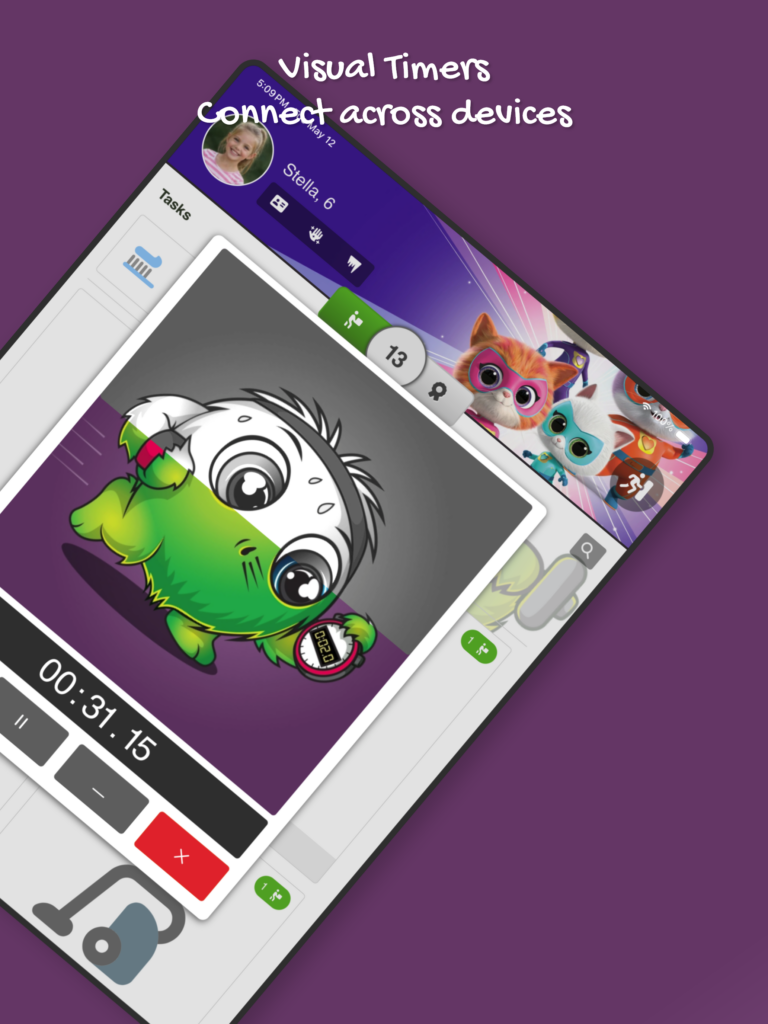
- Visual timers. These have been a bigger win than I expected. Being able to access a timer for things like getting ready in the morning and having my daughter actually see how much time is left has cut down on the “are you ready?!” back-and-forth in our house. Visual timers for reading have also been a game changer for my daughter’s focus and her ability to follow through on reading assignments independently.
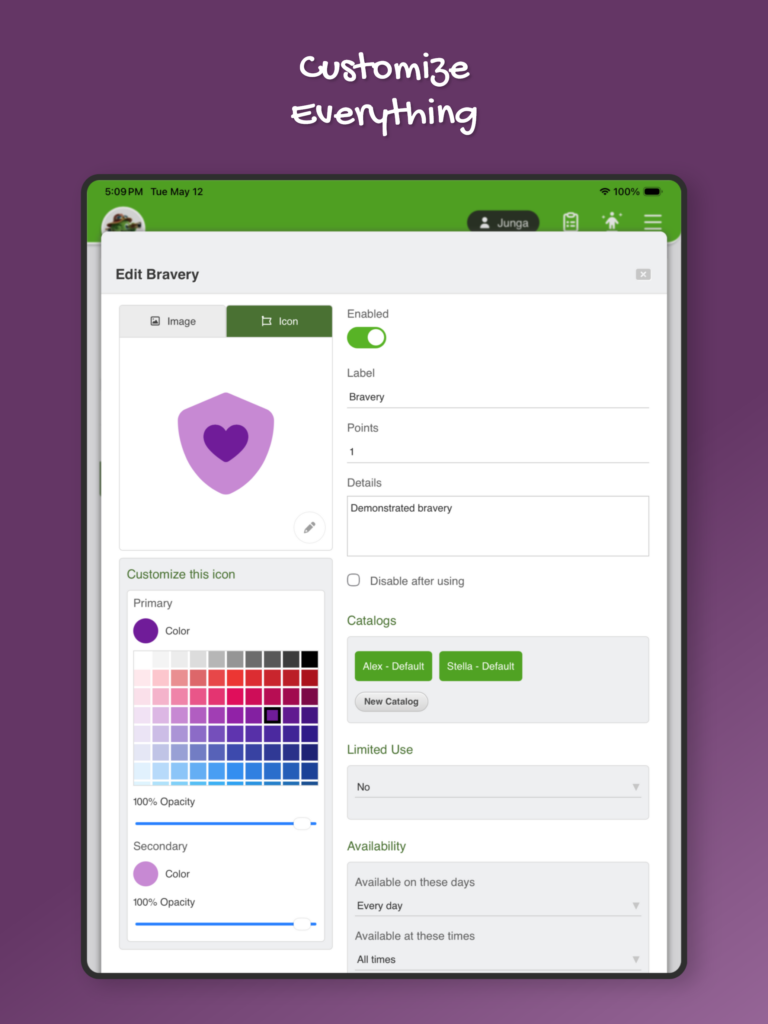
- Catalogs and the Activity Center. Having a pre-built set of age-appropriate tasks to start from made setup so much easier, I didn’t have to build everything from scratch, but I still had the flexibility to adjust things to fit our preteen’s routine.
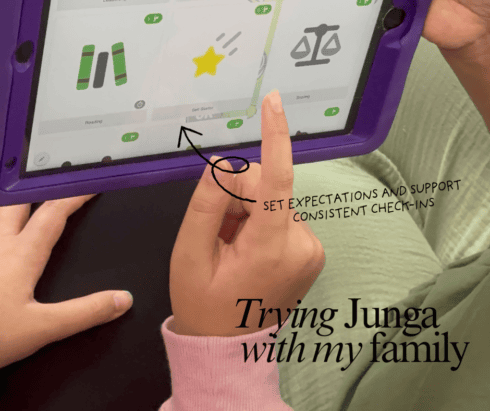
- Connected Keepers. My co-parent and I both see the same tasks and progress in real time, which has already reduced the “did you know she had X due today?” texts.
- Points freeze and misses. I really appreciate that this is built around gentle accountability rather than punishment. A missed task gets noted, and a points freeze temporarily pauses reward redemption, but she’s still able to keep earning points in the meantime. It’s honest without being harsh.
- Privacy and no ads. This one matters to me a lot, not just as a parent but as a digital parenting expert. Junga pledges never to sell or share family data and never to serve ads. There’s nothing worse than finding a genuinely valuable app that’s riddled with ads targeting the most vulnerable audience out there, our kids, so this was a huge relief to see built into how Junga operates.
A New Way to Stay In Touch with Your Preteen
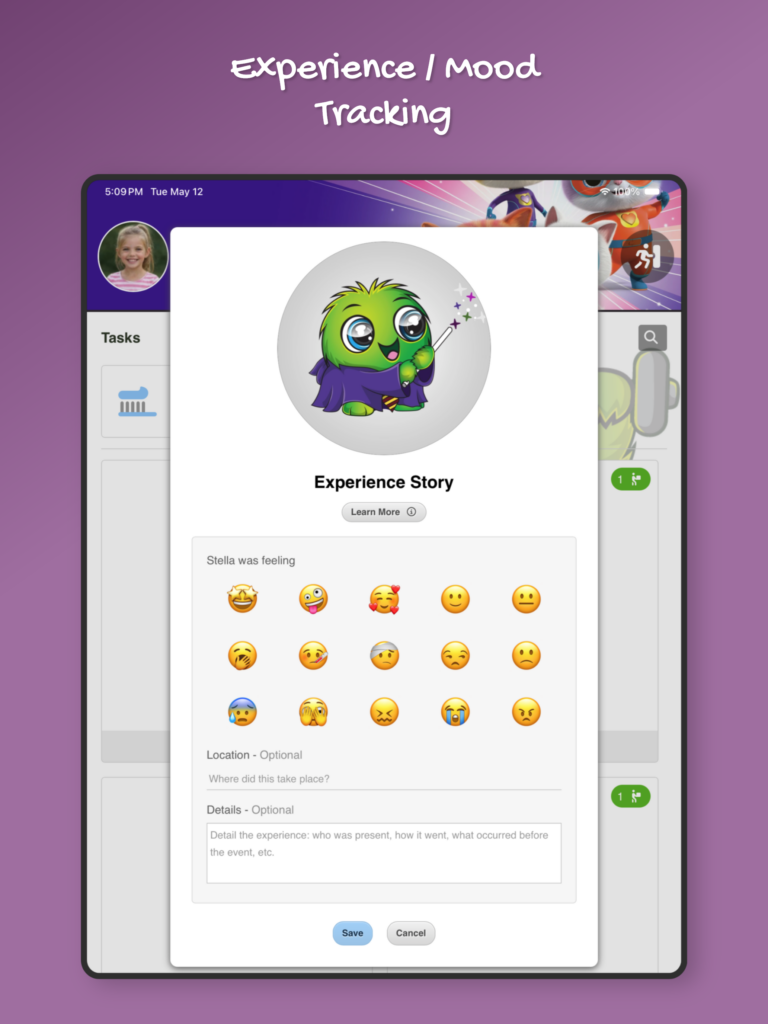
One thing that stood out to me right away: this isn’t just a chore chart. There’s also a layer for tracking emotional experiences. Kids can track if they are feeling not just “happy” or “sad,” but also things like proud, confident, hopeful, bored, or grumpy, which feels much more in tune with where my daughter is developmentally right now. There’s also an included “Stress Meter” that lets kids note when they’re feeling calm or even indicate when stress levels are high and they’re struggling with big emotions, even indicating crisis. There’s also a neat little space where kids can type in a description of what’s going on and write about what they might be feeling. What I particularly appreciate is that Junga includes time-sensitive notification escalation for any “crisis” stress-level event recording. That means that these important notifications will break through focus and “do not disturb” states on your Apple/IOS device so you and other critical caretakers will receive these messages right away, have the opportunity to take immediate action when it matters most to your child’s well-being.
Who I Think Junga Is Best For
Based on what we’ve seen so far, I’d recommend Junga for parents:
- Parents and caregivers of kids anywhere from early childhood through the tween and teen years, not just little ones
- Co-parenting or multi-household families who want everyone working from the same information
- Anyone juggling routines, chores, and follow-through with a kid who’s a little too old for a sticker chart but may still benefit from structure and ongoing encouragement.
Our Honest Take, So Far
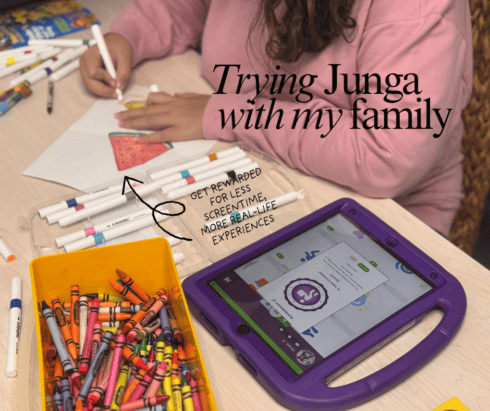
We’re only a couple of weeks in, and there are still plenty of features we haven’t fully explored, so I’m not going to pretend this covers everything. But as a parent of an older kid, I appreciate that Junga didn’t assume our family aged out of needing a tool like this. We’re excited to continue using this family-friendly tool as we go about our day-to-day and keep everyone on the same page!
If you want to try it with your own family, Junga is free to try during their current Founding Families period. You can check it out here on the Junga website. and if you add a card through the web app before V2.0 launches, you’ll also get 20% off your future subscription! Don’t miss out!
Don’t forget to PIN this and share it with a friend who needs to get organized for back to school!